TV Series Every Programmer Should Watch

Series For Programmers: Tv and Web Series For Dev

Hey Tea lovers!!! I know this is not a movie or tv series review blog or something, but I just wanted to share some suggestions with fellow programmers. This pandemic has surely changed our world and our thinking. It is a catastrophe for some people and on the other hand blessing in disguise for some. Nonetheless, it gave us time to think. Some are utilizing it in their study or learning new skills, expanding their business, or spending family time. ...

May 16, 2021 Â· 6 min Â· Imran Shaikh
Git reset is used for resetting the changes you made in the git branch. You can soft, mixed or hard reset the changes.

Git Reset: Delete Commit in Soft, Mixed, or the Hard Way

Hey, Tea Lover! Today’s post is about how you can reset the changes in Git. We will be talking about the different types of resets in git. It will be a small how-to guide on using the git reset command. We can either fully roll back the changes, or we can simply discard the latest commit(s). Let us jump to it right away. When To Use Git Reset Git reset is used for discarding your changes. You may want to do this for multiple reasons. One can be you don’t need those changes anymore or there was conflict and you did some mistake while resolving it, don’t worry To err is human. ...

May 15, 2021 Â· 5 min Â· Imran Shaikh
Java-Interface-and-Various-Types-of-Interfaces-1-1

Java Interface and Various Types of Interfaces

Hey, Tea lovers! before talking about Java Interface, Have you ever heard the phrase, “Man Of Many Faces”? if not, it means a person can be of everything or anything when it comes to portraying something. It can be one thing and a minute after another without losing its strength. Java’s interface fits perfectly with this title. It is an integral part of java and has become so powerful over the years, that it shifted the way a Java programmer thinks. It has added various ways of doing things in Java. Depending on the number of methods only, an interface’s definition as well as the object-creating process changes. ...

May 14, 2021 Â· 5 min Â· Imran Shaikh
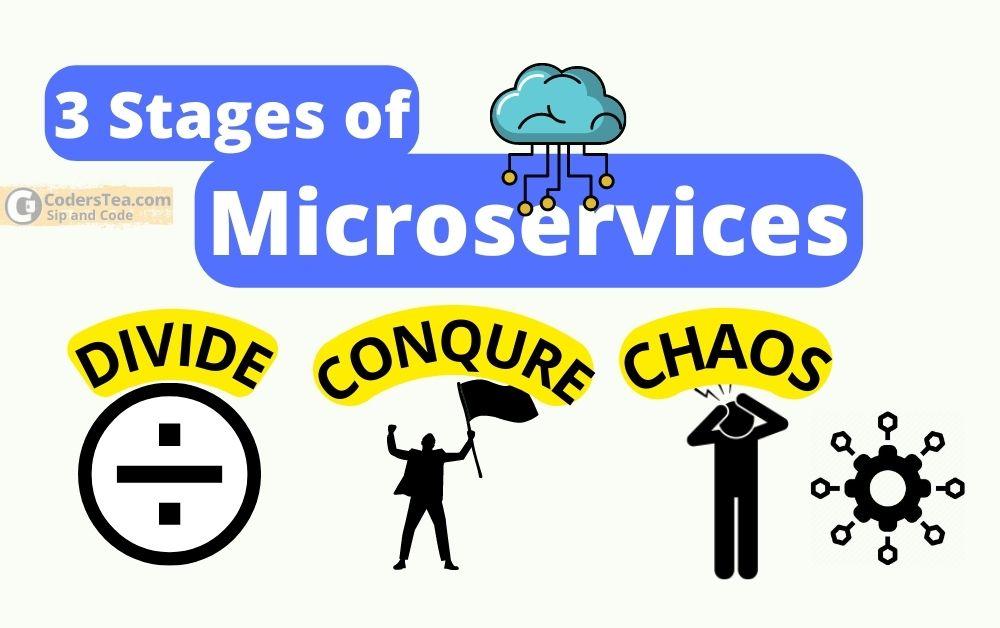
The 3 Stages of Microservice- Divide, Conquer, and Chaos

The 3 Stages of Microservice: Divide, Conquer, and Chaos

Hey, Tea Lovers! Today let’s talk about a hot topic in the market, Microservices. We will be discussing how microservices are very simple things and we were doing the basic requirement of it for quite a long time without realizing it. Then I will also share with you what I mean by Chaos in Microservices. Software Development’s First Step Towards a Solution is… If you have noticed, whatever problems we try to resolve in the software development process, the first thing we do (and must do) dividesthe problem into smaller ones. The smaller the problem gets, to an extent, the easier it is to solve or find a solution. Divide and Conquer is a very effective and must-do step in every type of industry’s problem. If you think about it, almost all things, complex or easy, are built one step at a time and not whole at once. ...

May 9, 2021 Â· 8 min Â· Imran Shaikh
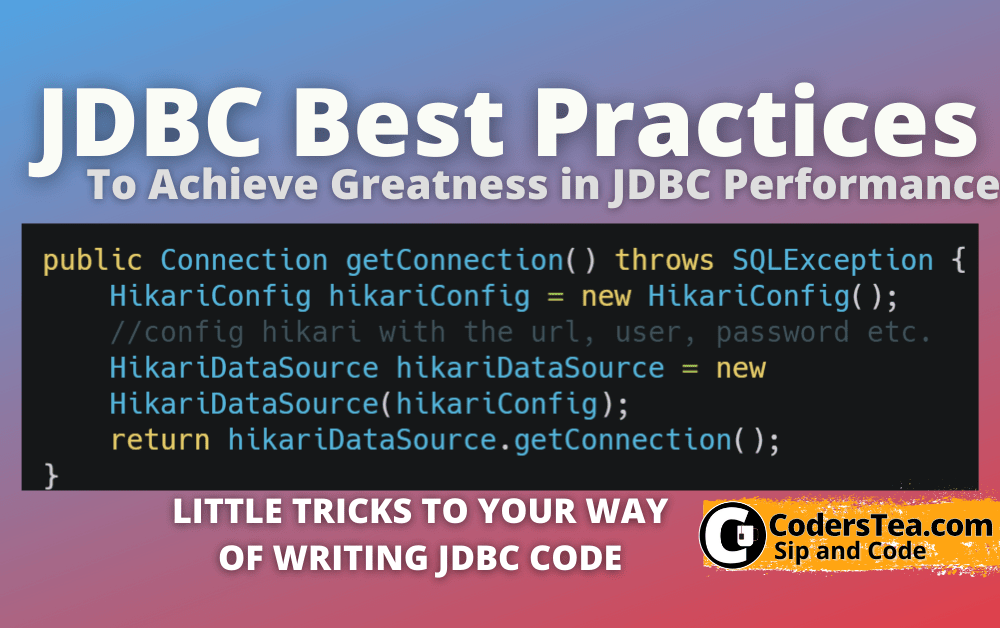
How to Achieve Greatness in JDBC Performance

How to Achieve Greatness in JDBC Performance

Hey, tea lovers! Today, we will talk about the JDBC, the code which connects Java code to the realm of the databases, and the best practices of JDBC to achieve greatness in the performance of database operations. We will talk about the best practices as we talked about in “ What’s In A Name: Java Naming Conventions” but this time, it is about the JDBC best practices. These are the small tweaks you can do to your code that, not only makes it much faster but also makes your code less horrific. It will be like a list to improve the JDBC or we can say, handle the database like a pro. So let us start the adventure. ...

May 7, 2021 Â· 6 min Â· Imran Shaikh
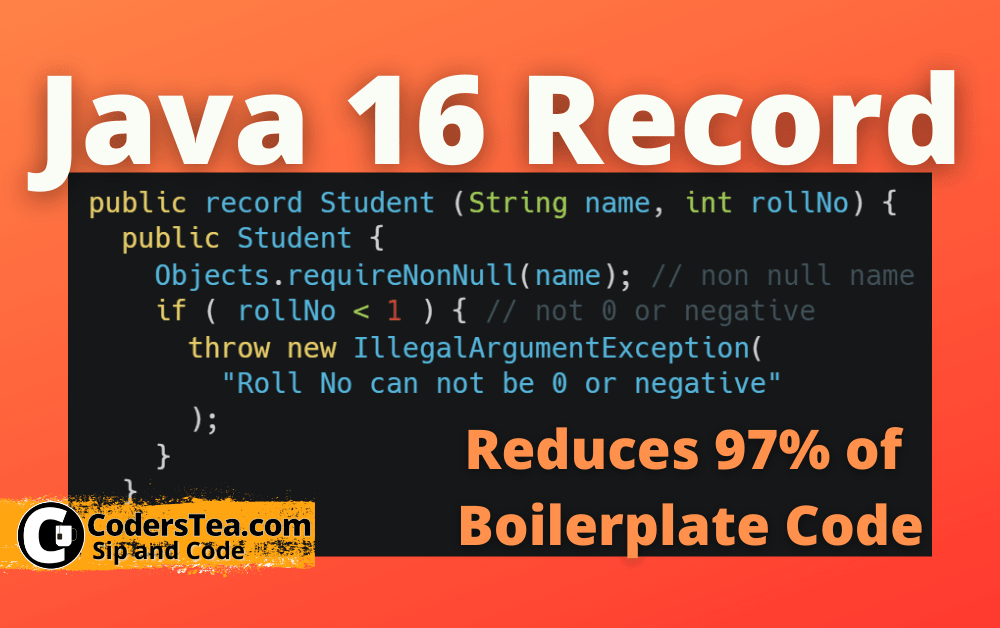
Java 16 Record to Reduce Boilerplate Code of POJO

Java 16 Record to Reduce Boilerplate Code of POJO

Hey, Tea Lovers! Java 16 is released a few days back, well, a month to be precise. It introduced 17 new features. I discussed the 4 features that the developer will use a lot in my previous post, Simplified Java 16 Key Features. In this post, we will deep dive into Java 16 Record to see how it helps us to reduce the boilerplate code of POJO classes. POJO Boilerplate Code Whenever you need a simple class to hold the data, you write a POJO class, right? But Even though your need is simple, you need to write tonnes of code for just a few things. Such as getters and setters, constructors, toString, and equals and hashcode. No matter how many different POJOs you write, you have to write these 90% similar methods. These things with little to no changes that we have to write again and again for simple purposes are known as Boilerplate code. ...

May 1, 2021 Â· 9 min Â· Imran Shaikh
Java Naming Conventions

Java Naming Conventions: What's In a Name?

Hey, Tea Lovers! Today we will talk about the java naming conventions, according to the best practices. Imagine a world without names. What would happen if nothing in this world had a name? This article would have been a very different story. Oh sorry, we wouldn’t even be able to tell the story. What about if we had weird names? Then what will aliens think about us, that we are a bunch of idiots with weird names? So, everything is in the name, especially when it comes to programming languages. So it is important to focus on naming conventions. ...

April 24, 2021 Â· 7 min Â· Imran Shaikh
The magic of reflection API

Java Reflection API: The Magical World of Java

Hey, tea lovers! Ever wonder how Spring auto-wires the fields without using setters or constructors or Hibernate stores column values to the appropriate fields? or Gson converts your POJO to JSON? How are they reading the class’s field? and not only reading but changing or storing the values in them, even though they are private? Let me reveal the mystery. They are using Java Reflection API. What kind of magical substance is this? How these libraries are using them? How can we use them? Phew! too many questions to answer. Let’s just dive into it and find the answers. ...

April 18, 2021 Â· 8 min Â· Imran Shaikh
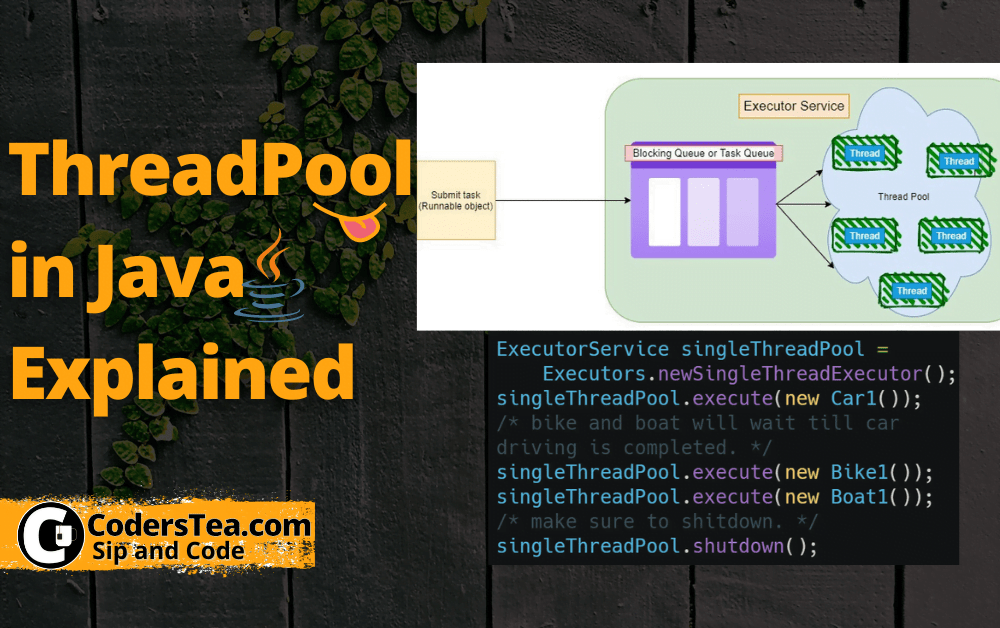
Thread Pool in Java Threads Explained

Thread Pool in Java Multi-Threading Explained

Hey, Tea Lovers! Today we will talk about the Thread Pool in Java. And how it saves resources and increases performance. And also, why we should use a thread pool in Java if we are building a multi-threaded java application? Threads in Java Before we talk about the thread pool in Java, let’s revisit threads. Threads are simple yet powerful things. By creating multiple threads, and multithreading applications, you can do tasks simultaneously. Wow, how cool and how efficient, right? But wait, if there is a heaven there is a hell. ...

April 17, 2021 Â· 10 min Â· Imran Shaikh
Java 16 is Here and Key Takeaways for Java Developers

Java 16 is Here! New Features of Java 16 Simplified

Hey, Tea Lovers! Today I will briefly talk about the latest release of Java 16 on March 16, 2021. I will talk about the key takeaway from the features and improvements, which I think will affect the day-to-day life of a Java developer. This post is heavily based on the press release “Oracle Announces Java 16”. If you want to see it in more detail, you can check out the press release here. ...

April 4, 2021 Â· 6 min Â· Imran Shaikh